
Home / Cosmetic dermatology / Chemical peels
cosmetic dermatology
Chemical peels in Richardson, TX
Peels selected for your skin type and tone by a board-certified dermatologist, for acne, dark spots, uneven tone and rough texture.
Dr. Kelsie Riemenschneider
MD, FAAD · Board-certified dermatologist. You will see her at every visit.
Overview
How chemical peels work
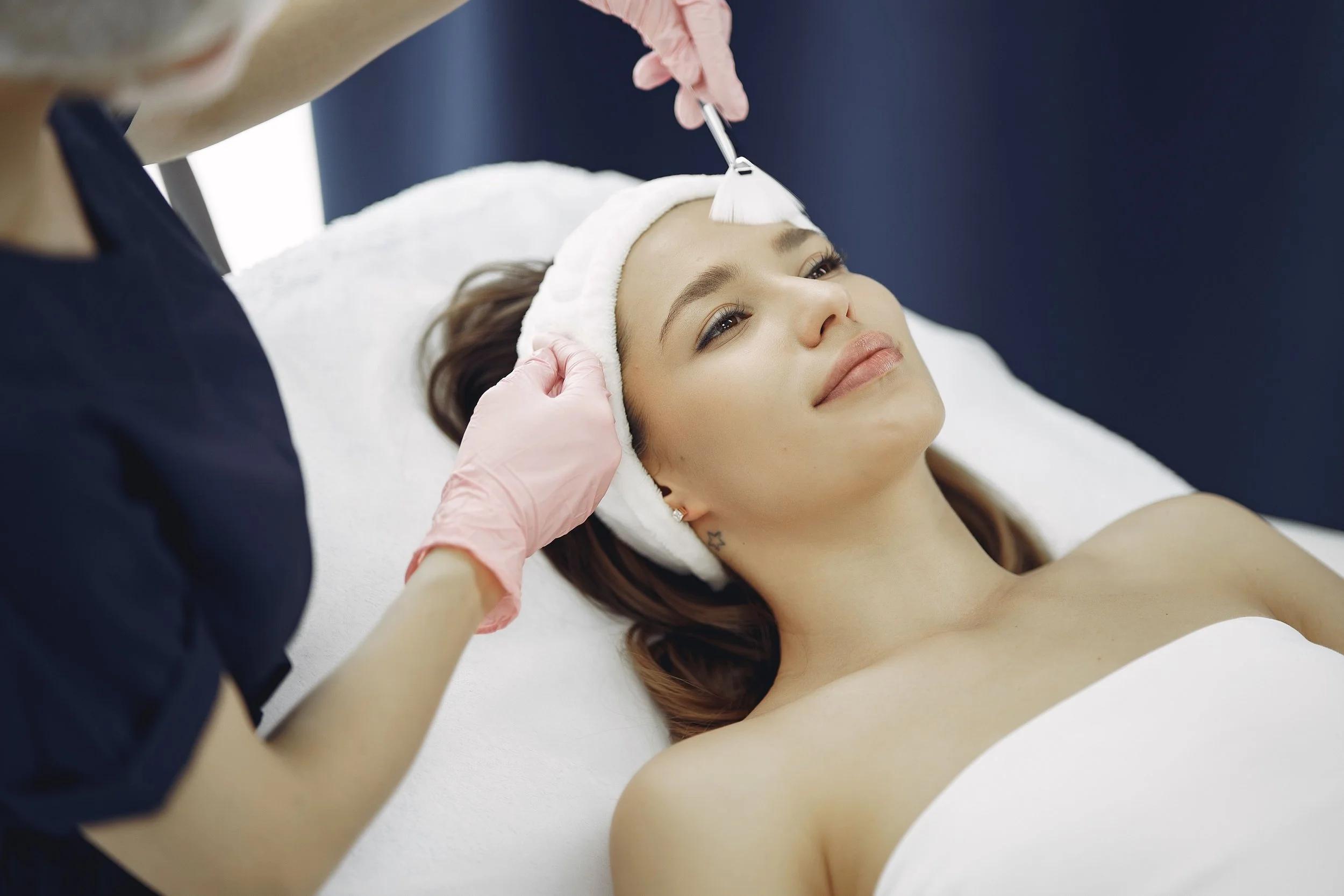
A chemical peel applies a solution to the skin that loosens and removes its damaged outer layers. As the skin heals, fresher and more even skin comes to the surface, and deeper peels also stimulate new collagen. Peels are used for acne, clogged pores, dark spots, melasma, dullness, fine lines and rough texture.
Peels vary widely in strength, and the right one depends on your skin tone, your concern and how much downtime you can accept. Darker skin tones need particular care, since a peel that is too strong can leave dark or light marks. Having a dermatologist select and perform the peel keeps it both effective and safe.
When to consider treatment
You have acne, clogged pores or dark marks that linger after breakouts
You have melasma or uneven skin tone
Your skin looks dull, rough or sun damaged
You want smoother texture and softer fine lines
Types of peels
Light peels. Glycolic, lactic or salicylic acid peels with little or no downtime, usually done as a series.
Medium peels. Stronger peels, such as TCA or Jessner's solution, that reach deeper and involve several days of peeling.
Acne peels. Salicylic acid peels that clear pores and calm breakouts.
Pigment peels.Peels chosen to fade melasma and dark spots without irritating the skin.
Peels for skin of color. Gentler acids and a slower schedule that protect against discoloration.
Treatment
What treatment involves
A peel is a short office treatment, and what happens before and after matters as much as the peel itself.
Preparation. Dr. Riemenschneider may start you on a skincare routine for a few weeks beforehand, and will tell you which products to pause.
The peel. Your skin is cleansed and the solution is applied for a few minutes. Tingling or warmth is normal.
Recovery. Light peels cause mild redness and flaking for a few days. Medium peels take one to two weeks to heal.
Series and upkeep. Most concerns respond best to a series of peels spaced a few weeks apart, with daily sunscreen throughout.
Your visit
What to expect at your visit
We talk about your goals. Your concerns, your skin history and the products you use now.
Dr. Riemenschneider selects your peel. She matches the type and strength to your skin tone and concern.
Aftercare. You leave with instructions for gentle cleansing, moisturizer and sun protection while your skin heals.
-
Light peels tingle or feel warm for a few minutes. Medium peels sting more, and a fan and cool compresses keep you comfortable.
-
It depends on the concern. A single peel refreshes the skin, and acne and pigment usually improve most with a series of three to five.
-
After a light peel, most people return to normal activities the same day, with mild flaking for a few days. After a medium peel, plan for one to two weeks of healing.
-
Yes, when the peel is chosen carefully. Dr. Riemenschneider uses gentler acids, lower strengths and careful preparation for skin of color to avoid discoloration.
-
Use a gentle cleanser and a plain moisturizer, do not pick at peeling skin, and wear sunscreen every day. Avoid retinoids and scrubs until your skin has healed.
-
Peels are postponed if you have a sunburn, an active cold sore or broken skin in the area, and some peels are not used during pregnancy. Tell us about your medications, including isotretinoin.
Related care Acne Melasma and dark spots Personalized skincare consult Botox and Dysport All cosmetic dermatology
Reviewed by Dr. Kelsie Riemenschneider, MD, FAAD, board-certified dermatologist. Last reviewed October 2026. Source: American Academy of Dermatology.
Address 702 W Arapaho Rd, Suite 104, Richardson, TX 75080
Hours Monday to Friday, 8 AM to 5 PM
Phone 214-833-5300